

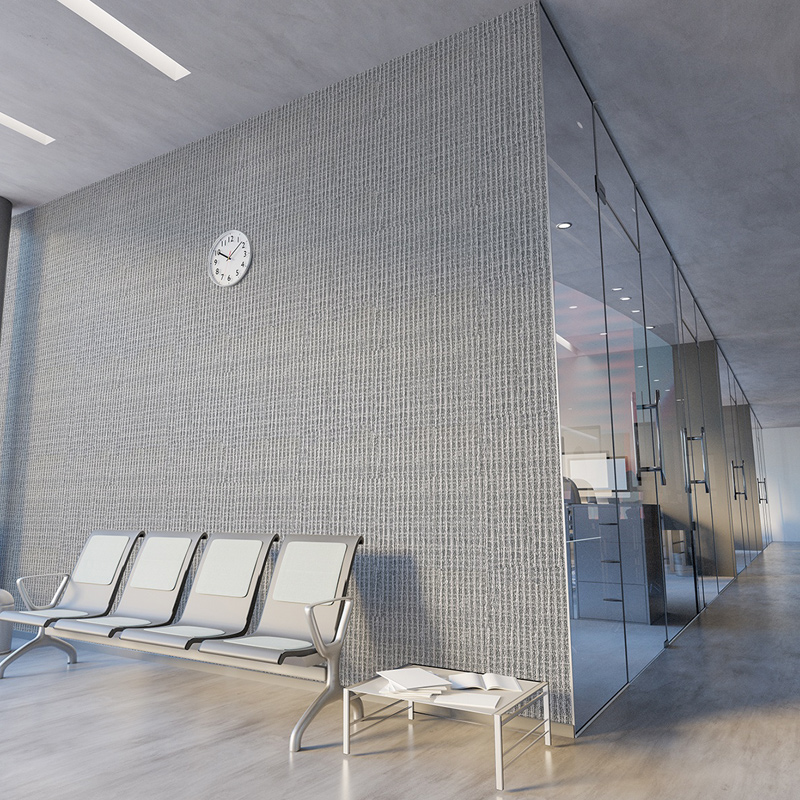
Why resolving a single surface often changes the entire room
Most spaces don’t feel unfinished because they need more.
They feel unfinished because one decision was never made.
Often, that decision is the wall.
The Myth of “Doing the Whole Room”
When a room feels off, the instinct is to do everything:
new paint, new furniture, new lighting, new art.
It’s understandable—but it’s rarely effective.
Changing multiple elements at once creates noise.
Nothing has time to settle.
The room keeps asking for attention.
One resolved wall does the opposite.
It gives the space a point of clarity.
Why a Single Wall Carries So Much Weight
Walls define scale long before furniture does.
They set proportion.
They control visual rhythm.
They influence how everything else is read.
When one wall is handled properly, the rest of the room adjusts around it. Furniture feels intentional. Color makes sense. The urge to keep tweaking fades.
Not because the room is dramatic—but because it’s resolved.